
Get Your Dog
Back on Their Feet
with Expert TPLO Surgery
A torn CCL is one of the most common orthopedic injuries in dogs – and it won’t heal without surgery. At Animal Outpatient Surgery of San Diego, Dr. Paul Farrell and our surgical team have performed thousands of successful procedures, helping dogs return to the life they love.
- 25+ years of surgical experience with Dr. Paul Farrell, DVM
- Thousands of successful cruciate ligament procedures performed
- Trusted by San Diego veterinarians for referrals and specialist care
- Board-certified surgeons on staff for complex cases
- State-of-the-art facility offering high-quality, affordable surgery
Highly rated on Google – trusted by San Diego pet owners for compassionate, expert surgical care.
Request a Consultation Today
Complete the form below and our team will reach out within one business day to discuss your dog’s condition and next steps, or click to call (858) 256-5551
- Your information is private and secure. We never share your data.
25+
Years of Surgical Experience
1,000's
of Successful CCL Procedures
★★★★★
Google Rating from San Diego Pet Owners
3
Surgeons and Board Certified Specialists
Is Your Dog Limping After a Run, Jump, or Play Session?
A cranial cruciate ligament (CCL) injury – the canine equivalent of a human ACL tear – is one of the most common orthopedic injuries in dogs. Here are the warning signs that something may be wrong with your dog’s knee.
Sudden or Gradual Limping
Your dog favors one rear leg, especially after activity. Limping may come and go at first, then worsen over time.
Reluctance to Bear Weight
Your dog holds the affected leg up when standing still, or “toe-touches” gingerly when moving around.
Swelling Around the Knee
Visible or palpable swelling around the stifle (knee) joint, which may feel warm to the touch.
Decreased Activity & Stiffness
Your dog is less eager to run, jump, or play than usual. Stiffness is especially noticeable after rest.
Muscle Wasting in One Leg
Over time, the muscle mass in the affected rear leg may visibly decrease compared to the other leg.
Certain Breeds, Higher Risk
Labrador Retrievers, Rottweilers, German Shepherds, and Pitbulls are particularly prone to CCL injuries, sometimes with minimal trauma.
Important: The cranial cruciate ligament has very limited blood supply and will not heal on its own. Without surgical treatment, the joint instability worsens over time, leading to progressive arthritis, pain, and loss of function. Early evaluation and intervention leads to better outcomes for your dog.
What Is TPLO Surgery, and Is It Right for Your Dog?
TPLO (Tibial Plateau Leveling Osteotomy) is widely considered the gold-standard surgical treatment for CCL injuries in active dogs. Here’s what the process looks like — and how we determine the best approach for your pet.
1. Diagnosis & Evaluation
Our surgeon takes a detailed history, performs a thorough orthopedic exam, and uses digital radiography to assess joint effusion, bone spurs, and tibial plateau angle — confirming the diagnosis and determining the best surgical approach.
2. The TPLO Procedure
The surgeon precisely cuts and rotates the tibial plateau to change the geometry of the knee joint, eliminating the abnormal forward movement of the tibia that causes pain and instability. The bone is secured with a surgical plate and screws as it heals.
3. Recovery & Return to Activity
Recovery typically spans 16 or more weeks of rest and controlled, gradual activity. Most dogs with TPLO return to full function and an active lifestyle. Our team provides detailed post-op instructions and support throughout the entire recovery.
4. Follow-Up Care
Scheduled rechecks allow us to monitor bone healing with follow-up radiographs and ensure your dog is progressing on track. Our team is always available to answer questions between visits.
Which Surgery Is Right for Your Dog?
After 25+ years of performing CCL repairs, Dr. Farrell and our team have clear, evidence-based recommendations:
TPLO (Tibial Plateau Leveling Osteotomy) – RECOMMENDED
The preferred option for dogs over 10 lbs who are active. Alters the joint mechanics so the knee is stable without the CCL. Delivers the fastest return to full function for most dogs.
Lateral Suture (LS) – SMALL / SENIOR DOGS
Highly effective (99% success rate) for dogs 10 lbs and under. Also an excellent option for older dogs or those with conditions that limit mobility, offering a more economical repair.
TTA (Tibial Tuberosity Advancement) – CASE-SPECIFIC
Has specific indications and limitations. Whether TTA is appropriate for your dog is something we discuss at your consultation based on individual anatomy and exam findings.
Dr. Farrell’s advice: The single most important decision is to proceed with surgery. The CCL will not heal on its own, and early intervention means less joint damage and a better long-term outcome for your dog.
Expertise Your Dog Deserves. Compassion Your Family Expects.
Animal Outpatient Surgery of San Diego is privately owned and operated – not a large corporate hospital. That means you get experienced surgeons, personal attention, and a team that genuinely cares about your pet’s outcome.
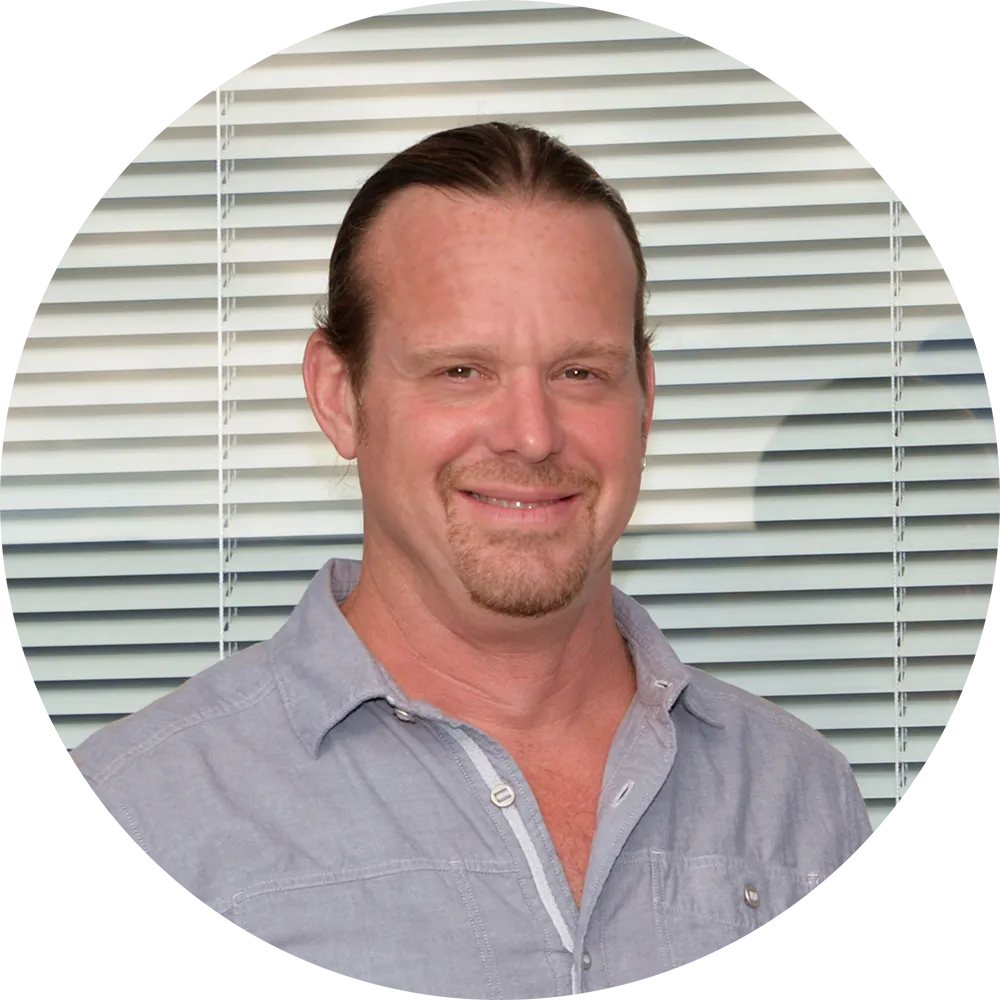
Dr. Paul Farrell
DVM · Owner & Founder
A native of Buffalo, NY, Dr. Farrell completed his veterinary degree at the University of Wisconsin and spent 6 years in large animal research at Cornell University before dedicating his career to small animal surgery. He founded Animal Outpatient Surgery of San Diego in 2016 to bring high-quality, affordable surgical care to San Diego and the surrounding communities.
25+
Years of Surgical Experience
1,000's
of Successful CCL Procedures
★★★★★
Google Rating / San Diego Pet Owners
Board-Certified Surgeons On Staff
In addition to Dr. Farrell, AOSSD is proud to have board-certified small animal surgeons (DACVS) available for complex cases, giving your dog access to the highest level of specialty surgical expertise.
Trusted by Fellow Veterinarians
Many of our patients are referred directly by San Diego-area veterinarians who trust AOSSD with their most complex surgical cases. That peer trust is one of our most meaningful credentials.
AVMA & SDCVMA Member Practice
Animal Outpatient Surgery is a proud member of the American Veterinary Medical Association (AVMA) and the San Diego County Veterinary Medical Association (SDCVMA), reflecting our commitment to the highest standards of care.
State-of-the-Art Facility in Kearny Mesa
Our modern, purpose-built surgical center at 7280 Clairemont Mesa Blvd is equipped with digital radiography and advanced surgical technology — private practice quality at an accessible price point.
An Experienced, Dedicated Team
From our registered veterinary technicians to our client care coordinators, every member of our team brings years of specialized surgical experience and a genuine love for animals.
Three Simple Steps to Get Your Dog the Care They Need
We make the process as smooth and stress-free as possible for you and your pet.
1
Request Your Consultation
Complete the form on this page or call us at (858) 256-5551. Our team will reach out within one business day to schedule your visit and answer any initial questions.
2
Meet with Our Surgeon
During your consultation, our surgeon will perform a thorough orthopedic exam, review any existing imaging, and explain all treatment options clearly — so you feel confident and informed about next steps.
3
Surgery & Supported Recovery
Your dog’s surgery is performed in our modern, fully equipped facility. We provide complete post-operative instructions and follow-up care to support a successful recovery every step of the way.
Trusted by San Diego Pet Owners
We’re honored to be trusted by so many San Diego families. Here’s what some of our clients have shared about their experience with our team.
“I can’t thank the team at Animal Outpatient Surgery and their great team enough, for the great and phenomenal work they did on our baby girl. They took her in on a emergency surgery when other vets weren’t confident in taking on the challenge. Their team and staff are nothing less then spectacular with great knowledge and confidence you want treating your loved pets. I would highly recommend anyone to consider Animal Outpatient Surgery for any of the needs and services for their pets.”
Audel C.
Google Review
“All of the staff at this facility are very pet oriented. It was difficult accepting that our pet needed TLPO knee surgery. Dr. Farrell explained the surgery in terms that we would totally understand what he would do to repair her knee. Very impressed with all layers of the staff there. We just got her clearance from her surgery. Very close to being like new again. I highly recommend this facility for surgeries your pet may require. Dr. Farrell and all of his staff are very compassionate and caring and competent to help your little fur balls get better.”
Cynthia Z.
Google Review
“Dr. Farrell spent a lot of time with us going through the procedure step by step and answering all of our questions thoroughly. The office staff is very easy to contact via text with questions during the recovery phase and very supportive. If our dog tears his other CCL (which is bound to happen), we will be right back at this same office for the next surgery!”
Lany Z.
Google Review
Frequently Asked Questions
Will my dog's CCL injury heal without surgery?
Unfortunately, no. The cranial cruciate ligament has a very poor blood supply and does not have the ability to heal on its own. Without surgical stabilization, the joint remains unstable, leading to ongoing pain, progressive cartilage damage, and worsening arthritis. Surgical treatment is recommended in the vast majority of cases.
How long is the recovery after TPLO surgery?
Recovery from TPLO surgery typically takes 16 or more weeks before your dog returns to full activity. The recovery is gradual and involves initial strict rest followed by controlled, progressive exercise. Our team provides detailed post-operative instructions and monitors your dog’s progress through scheduled follow-up visits.
Is TPLO surgery the right choice for my dog?
For most active dogs over 10 lbs, TPLO is the recommended surgical option and offers the best long-term outcomes. For smaller dogs (10 lbs and under), a lateral suture procedure has a 99% success rate and may be more appropriate. For elderly dogs or dogs with other health concerns, we tailor our recommendation accordingly. The best way to determine the right procedure is a consultation with our surgeon.
What breeds are most prone to CCL injuries?
Labrador Retrievers, Rottweilers, German Shepherds, and Pitbulls are among the breeds with the highest predisposition to CCL injuries. In these breeds, the injury often occurs as part of a degenerative process rather than a single traumatic event, which means it can happen even with normal everyday activity.
How do I schedule a consultation?
You can request a consultation by completing the form at the top or bottom of this page, or by calling us directly at (858) 256-5551. We are available Monday through Friday, 9:00AM – 5:00PM. Our team will reach out promptly to schedule your visit and answer any questions you have before your appointment.
Is my dog at risk of injuring the other leg too?
Yes, studies suggest that a significant percentage of dogs who injure one CCL will go on to injure the other within one to two years, particularly in breeds with a genetic or degenerative predisposition. This is another reason why prompt diagnosis and treatment are important, as protecting the uninjured leg during recovery is a key part of our post-operative care guidance.
Get Your Dog
Back on Their Feet
with Expert TPLO Surgery
A torn CCL is one of the most common orthopedic injuries in dogs – and it won’t heal without surgery. At Animal Outpatient Surgery of San Diego, Dr. Paul Farrell and our surgical team have performed thousands of successful procedures, helping dogs return to the life they love.
- 25+ years of surgical experience with Dr. Paul Farrell, DVM
- Thousands of successful cruciate ligament procedures performed
- Trusted by San Diego veterinarians for referrals and specialist care
- Board-certified surgeons on staff for complex cases
- State-of-the-art facility offering high-quality, affordable surgery
Highly rated on Google – trusted by San Diego pet owners for compassionate, expert surgical care.
Request a Consultation Today
Complete the form below and our team will reach out within one business day to discuss your dog’s condition and next steps, or click to call (858) 256-5551
- Your information is private and secure. We never share your data.